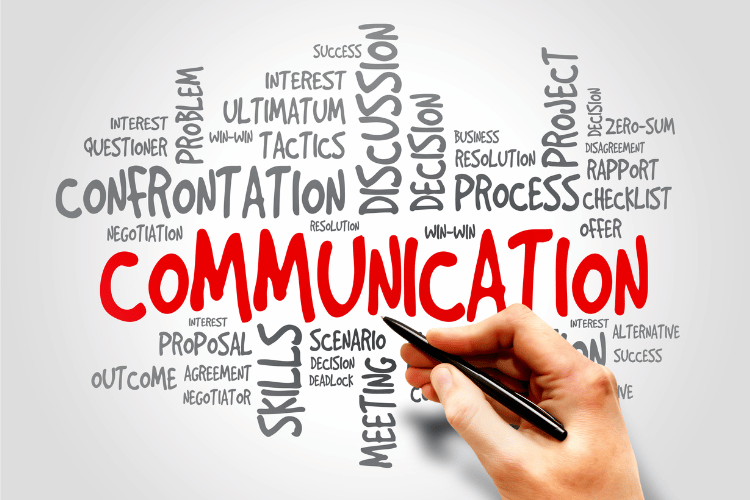

Effective communication is a fundamental skill that plays a crucial role in the success of corporate professionals. Whether it’s conveying ideas, leading teams, negotiating deals, or resolving conflicts, effective communication is essential for every aspect of the corporate world. However, mastering the art of communication is not something that comes naturally to everyone. It requires conscious effort, practice, and continuous improvement. That’s where communication skills training programs come into play.
In today’s fast-paced and dynamic business environment, effective communication is more important than ever. It impacts every aspect of a professional’s role, from building relationships with colleagues, clients, and partners, to conveying ideas and information clearly and convincingly. Communication breakdowns can result in misunderstandings, conflicts, missed opportunities, and even financial losses for organizations. Therefore, mastering the art of communication is a critical skill for corporate professionals to thrive in their roles and contribute to the success of their organizations.
Communication skills training programs are specifically designed to equip corporate professionals with the necessary skills to communicate effectively in various business settings. These programs focus on enhancing verbal, non-verbal, written, and digital communication skills, as well as building active listening, empathy, and feedback skills. They also cover different communication channels, including face-to-face interactions, virtual communication, presentations, emails, reports, and social media. Let’s take a closer look at some of the key training areas in communication skills development for corporate professionals.
Effective Verbal Communication: Verbal communication is a cornerstone of business interactions. Communication skills training programs help corporate professionals develop skills to articulate their ideas, opinions, and messages clearly and confidently. This includes skills such as active listening, engaging in meaningful conversations, asking effective questions, using appropriate tone and language, and adapting communication style to different audiences and situations.
Non-Verbal Communication: Non-verbal cues, such as body language, facial expressions, gestures, and eye contact, can significantly impact communication effectiveness. Communication skills training programs help corporate professionals understand the importance of non-verbal communication and how to use it to enhance their communication skills. This includes skills such as reading and interpreting non-verbal cues, managing body language, and projecting a positive and confident presence.
Written Communication: Written communication skills are crucial for corporate professionals, as they often need to convey information, ideas, and messages in writing. Communication skills training programs cover skills such as structuring and organizing written content, using appropriate language and tone, tailoring messages to different audiences, and editing and proofreading for clarity and accuracy.
Digital Communication: In today’s digital age, effective communication also includes digital channels such as emails, instant messaging, social media, and video conferencing. Communication skills training programs provide guidance on how to communicate effectively through these channels, including skills such as writing professional emails, managing virtual meetings, using social media for business communication, and understanding digital etiquette and best practices.
Active Listening and Empathy: Active listening and empathy are critical skills in effective communication. Communication skills training programs focus on developing these skills, which involve not only hearing the words spoken but also understanding the emotions, intentions, and perspectives behind the words. These skills help corporate professionals build rapport, show empathy, and foster meaningful connections with others.
Feedback and Conflict Resolution: Providing constructive feedback and resolving conflicts are important aspects of communication in the corporate world. Communication skills training programs provide techniques and strategies for delivering feedback effectively, handling conflicts, and managing difficult conversations. These skills are essential for building healthy work relationships, resolving differences, and maintaining a positive and productive work environment.
Cross-Cultural Communication: In today’s globalized business world, cross-cultural communication skills are increasingly important. Communication skills training programs help corporate professionals develop cultural intelligence and adapt their communication style to different cultural contexts. This includes understanding cultural norms, customs & values.
By investing in communication skills training programs, corporate professionals can enhance their ability to convey ideas clearly, build relationships, resolve conflicts, and negotiate effectively. These skills can positively impact their interactions with colleagues, clients, and partners, and ultimately contribute to better business outcomes. Improved communication skills can also boost employee morale, engagement, and productivity, leading to a more positive and collaborative work environment.
In today’s fast-paced business world, mastering the art of communication is not a luxury, but a necessity. Effective communication is the foundation of successful teamwork, leadership, and business relationships. Corporate professionals who invest in honing their communication skills through training programs are better equipped to navigate the challenges and complexities of the modern workplace, and ultimately contribute to the growth and success of their organizations.
In conclusion, communication skills training programs are invaluable tools for corporate professionals seeking to master the art of communication. With the right training and practice, professionals can elevate their communication skills to new heights, leading to improved workplace relationships, increased productivity, and better business outcomes. Investing in communication skills development is a wise choice for any corporate professional looking to enhance their career and contribute to the success of their organization. So, why wait? Start your journey towards mastering the art of communication today!